Fats are often misunderstood, with many people associating them solely with weight gain or poor health. However, fats are an essential macronutrient that our bodies need for energy, hormone production, cell structure, nutrient absorption, and optimal brain function. The brain is composed of nearly 60% fat, and consuming the right types of fats is critical for maintaining cognitive health, supporting memory, and enhancing mood. Not all fats are created equal, though, and understanding the difference between good and bad fats can transform your health.
What Are Fats?
Fats are a type of nutrient that provide 9 calories per gram, making them the most energy-dense macronutrient. They play a crucial role in:
- Absorbing fat-soluble vitamins (A, D, E, K).
- Protecting vital organs.
- Regulating body temperature.
- Supporting brain function.
There are four main types of dietary fats:
- Unsaturated fats (good fats)
- Saturated fats (limit intake)
- Trans fats (bad fats)
- Omega-3 and Omega-6 fatty acids (essential fats)
The Good Fats: Unsaturated and Essential Fats
Unsaturated Fats
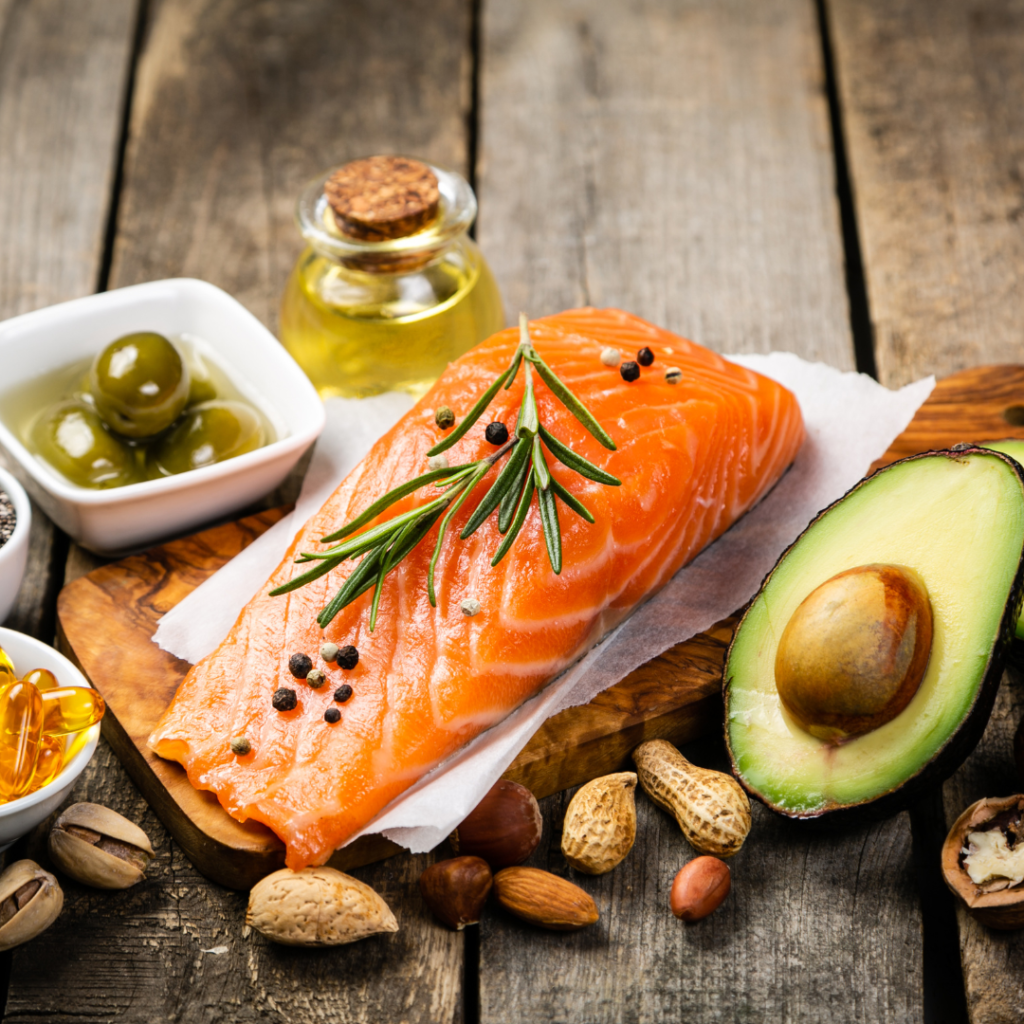
These are the heart-healthy fats that can lower bad cholesterol levels (LDL) and reduce the risk of heart disease. They are further categorized into:
- Monounsaturated Fats (MUFA):
- Found in: Olive oil, avocados, nuts (almonds, cashews, peanuts), seeds (pumpkin, sesame).
- Benefits: Improve cholesterol levels, reduce inflammation, and support weight loss.
- Polyunsaturated Fats (PUFA):
- Found in: Fatty fish (salmon, mackerel, sardines), walnuts, flaxseeds, sunflower oil.
- Benefits: Essential for brain function and cell growth.
Omega-3 and Omega-6 Fatty Acids
These are types of polyunsaturated fats that our bodies cannot produce on their own. They must be obtained from the diet.
- Omega-3s: Found in fatty fish, flaxseeds, chia seeds, and walnuts. They help reduce inflammation, improve heart health, and support brain function.
- Omega-6s: Found in soybean oil, sunflower oil, and processed foods. While essential, overconsumption of omega-6s can promote inflammation, so balance is key.
How to Incorporate Good Fats:
- Swap butter or margarine for olive or avocado oil in cooking.
- Snack on a handful of nuts or seeds instead of chips.
- Include fatty fish in your meals at least twice a week.
- Add avocado slices to your salads or sandwiches.
The Bad Fats: Trans Fats and Excess Saturated Fats
The Hidden Danger of High-Heat Processed Oils

Many oils on the market are processed using high heat, which denatures the fatty acids and causes the oils to become rancid. Rancid oils can increase oxidative stress in the body, leading to inflammation and a higher risk of chronic diseases. These oils are often stripped of their natural nutrients during the refining process, further diminishing their health benefits.
- Oils to Avoid:
- Vegetable oil
- Soybean oil
- Corn oil
- Canola oil (if not cold-pressed)
- Palm oil (commonly used in processed foods)
These oils are commonly found in processed snacks, fried foods, and fast food. Consuming them regularly can negatively impact heart health and promote inflammation.
Better Alternatives
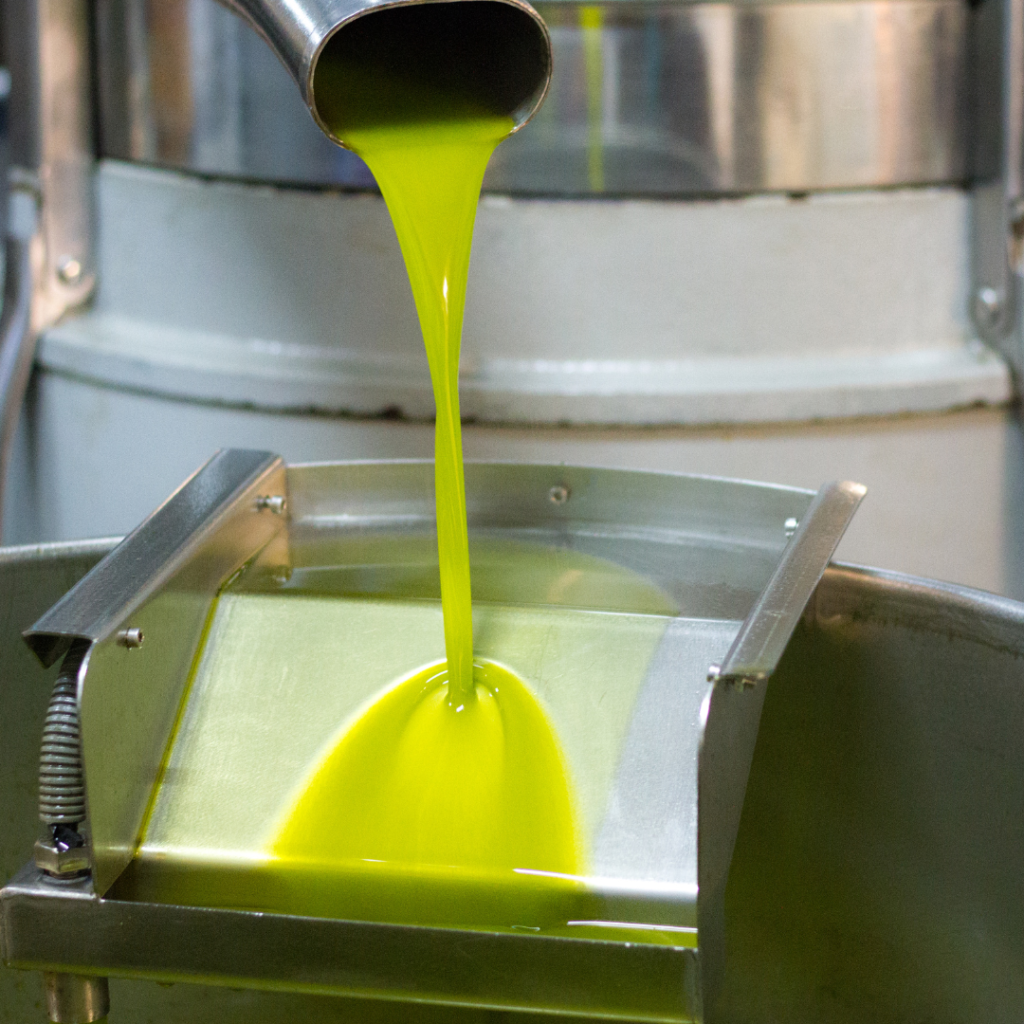
To ensure you’re consuming healthy fats, opt for oils that are cold-pressed or minimally processed:
- Olive oil (extra virgin): Ideal for salads and low-heat cooking.
- Avocado oil: Great for high-heat cooking due to its high smoke point.
- Coconut oil (unrefined): Best for baking and medium-heat cooking.
- Flaxseed oil: Perfect for dressings or smoothies (not for cooking).
By replacing refined, high-heat processed oils with healthier alternatives, you can significantly improve the quality of fats in your diet.
Trans Fats
Trans fats are artificially created by adding hydrogen to vegetable oils, making them solid at room temperature. They are often found in processed and fried foods.
- Found in: Packaged snacks, baked goods (cakes, cookies, pastries), margarine, and fast food.
- Risks: Raise bad cholesterol (LDL), lower good cholesterol (HDL), increase inflammation, and elevate the risk of heart disease and stroke.
- Avoid: Check food labels for “partially hydrogenated oils,” and steer clear of products containing them.
Saturated Fats
Saturated fats are naturally found in animal products and some plant oils. While they’re not as harmful as trans fats, they should still be consumed in moderation.
- Found in: Red meat, butter, cheese, whole milk, coconut oil, and palm oil.
- Risks: Overconsumption can increase LDL cholesterol levels and the risk of cardiovascular disease.
- Limit: Opt for lean cuts of meat, low-fat dairy, and plant-based alternatives when possible.
How to Avoid Bad Fats:
- Cook meals at home using fresh, whole ingredients.
- Replace fried foods with baked or grilled options.
- Limit consumption of processed snacks and fast food.
- Choose products labeled “trans fat-free” and always read ingredient lists.
Balancing Your Fat Intake
Striking the right balance is key. Here are some tips to optimize your fat intake:
- Aim for 20-35% of your daily calories from healthy fats.
- Focus on incorporating more unsaturated fats while minimizing trans fats and limiting saturated fats.
- Combine fats with fiber-rich foods to feel fuller longer and improve digestion.
- Use portion control to avoid overindulgence, even with healthy fats.
Quick Reference: Good vs. Bad Fats
| Type | Examples | Tips |
|---|---|---|
| Good Fats | Avocados, olive oil, fatty fish, nuts, seeds | Use in salads, cooking, and snacks. |
| Bad Fats | Fried foods, margarine, packaged snacks | Read labels and avoid processed options. |
Final Thoughts
Fats are an essential part of a healthy diet when consumed mindfully. By understanding the difference between good and bad fats, you can make informed choices that support your overall health and wellness. Swap out the bad fats for nutrient-rich, heart-healthy options and enjoy the benefits of a balanced, energy-boosting diet!
[…] Guide to Fats: Here! […]