In recent years, the connection between gut health and skin health has become a hot topic in the world of wellness and nutrition. Often referred to as the “gut-skin axis,” this relationship highlights how the state of our digestive system can significantly impact our skin’s appearance and overall health. Understanding this connection can help you achieve a clearer, more radiant complexion from the inside out.

The Gut-Skin Axis Explained
The gut-skin axis is the dynamic relationship between the digestive system and the skin. The gut plays a crucial role in maintaining the body’s overall health, including the immune system, which is closely linked to skin health. An imbalanced gut can lead to inflammation, which may manifest as skin issues such as acne, eczema, rosacea, or psoriasis.
A healthy gut supports optimal digestion and nutrient absorption, providing the essential building blocks for healthy skin. It also maintains a balanced microbiome that protects against harmful pathogens, reducing the likelihood of infections and inflammation that can affect the skin. Conversely, skin conditions can sometimes reflect underlying gut issues, making the gut-skin axis a critical area for holistic health approaches. Understanding and nurturing this connection can help improve skin clarity, reduce inflammation, and enhance overall skin vitality.

How Gut Health Affects the Skin
- Inflammation: An unhealthy gut can lead to systemic inflammation. When the gut’s lining is compromised, harmful substances can leak into the bloodstream, triggering inflammatory responses that can affect the skin.
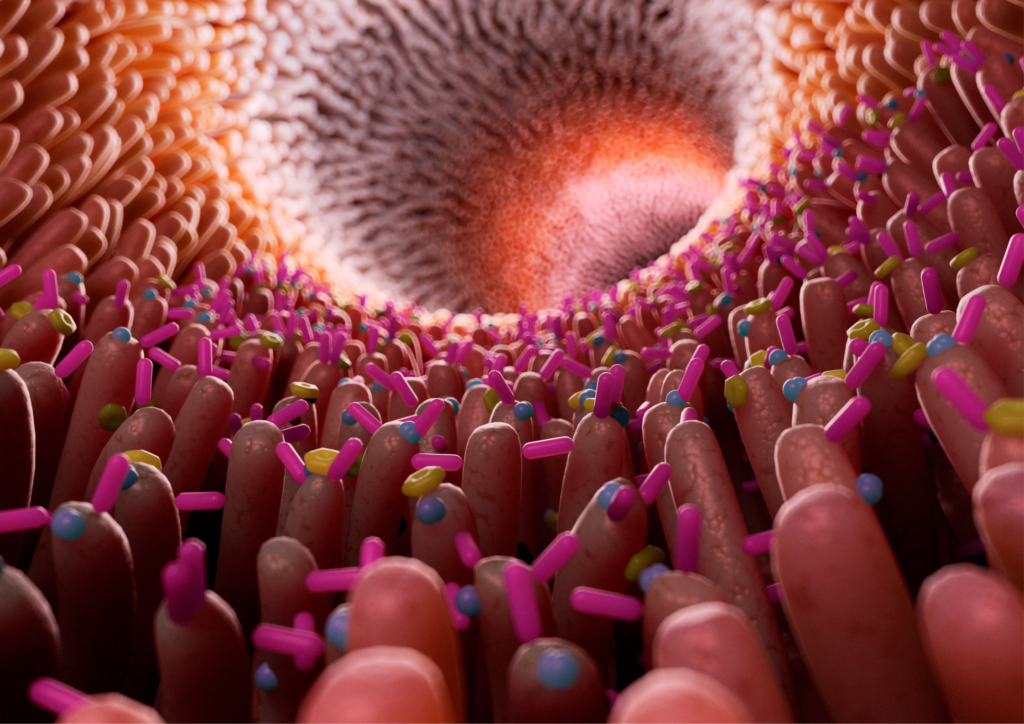
- Microbiome Balance: The gut houses trillions of bacteria, collectively known as the gut microbiome. A balanced microbiome supports digestion, nutrient absorption, and the immune system. When this balance is disrupted, it can lead to skin problems.
- Nutrient Absorption: The gut is responsible for absorbing nutrients essential for skin health, such as vitamins A, C, and E, zinc, and omega-3 fatty acids. Poor gut health can lead to deficiencies in these nutrients, affecting the skin’s ability to repair and maintain itself.
- Stress and Hormones: The gut influences the production of neurotransmitters and hormones, which can affect stress levels and skin health. High stress can exacerbate skin conditions and slow down the healing process.
Tips for Improving Gut Health for Better Skin
- Probiotics and Fermented Foods: Probiotics are beneficial bacteria that help balance the gut microbiome. Include fermented foods like yogurt, kefir, sauerkraut, kimchi, and kombucha in your diet to boost gut health.
- Prebiotic Fiber: Prebiotics are types of fiber that feed the beneficial bacteria in the gut. Foods rich in prebiotic fiber include garlic, onions, bananas, asparagus, and oats.
- Hydration: Drinking plenty of water aids in digestion and helps maintain a healthy gut lining, which is essential for preventing toxins from entering the bloodstream and causing skin inflammation.
- Limit Sugar and Processed Foods: High sugar intake and processed foods can disrupt the gut microbiome and promote inflammation. Focus on a diet rich in whole foods, fruits, vegetables, and lean proteins.
- Manage Stress: Chronic stress can negatively impact gut health, leading to skin issues. Practice stress management techniques such as yoga, meditation, and deep breathing exercises to maintain a healthy gut and glowing skin.
- Adequate Sleep: Quality sleep is essential for gut and skin health. Aim for 7-9 hours of sleep per night to allow your body to repair and regenerate.
- Regular Exercise: Physical activity helps stimulate digestion and reduce stress, both of which are beneficial for gut and skin health. Incorporate regular exercise into your routine to maintain overall wellness.
- Consult a Professional: If you have persistent skin issues, consider consulting a healthcare professional to assess your gut health and address any underlying imbalances.
Herbal and Supplement Tips for Gut Health and Skin
- Herbs and Supplements for Healing Inflammation in the Gut:
- Slippery Elm: Helps coat and soothe the gut lining, reducing irritation and inflammation.
- Marshmallow Root: Known for its mucilaginous properties, it can help protect and heal the gut lining.
- Licorice Root (DGL): Supports gut health by reducing inflammation and promoting the healing of the gut lining.
- L-Glutamine: An amino acid that helps repair the gut lining and reduce inflammation.
- Peppermint: Helps soothe the digestive tract and can reduce symptoms of irritable bowel syndrome (IBS), which can be linked to skin issues.
- Herbs and Supplements for Managing Stress and Hormones:
- Ashwagandha: An adaptogen that helps the body manage stress and balance cortisol levels.
- Rhodiola: Supports the body’s stress response and can help reduce fatigue and anxiety.
- Holy Basil (Tulsi): Known for its calming effects and ability to help balance stress hormones.
- Magnesium: Helps relax the nervous system and regulate cortisol, promoting better sleep and stress management.
- Chamomile: Provides calming effects that can reduce stress and improve sleep quality, benefiting both gut and skin health.
- Shop herb and supplement support for Managing stress and Hormones: Here.
Nourish Your Skin
Achieving healthy, radiant skin goes beyond topical treatments and cosmetics. By nurturing your gut health, you can address the root causes of many skin issues and promote a clearer, more vibrant complexion. Incorporate gut-friendly foods, manage stress, and maintain a balanced diet to support both your digestive system and your skin. Remember, beauty truly begins from within.
Leave a Reply