
Affiliate Disclaimer: This blog may contain affiliate links.
Understanding Thyroid Health
The thyroid gland is a small, butterfly-shaped gland located in the front of the neck, and it plays a crucial role in regulating numerous essential body functions. Through the release of hormones like thyroxine (T4) and triiodothyronine (T3), the thyroid helps control metabolism, energy production, and growth and development, impacting nearly every cell in the body. Its functions are closely linked to other systems, such as the cardiovascular, digestive, and nervous systems, making it central to overall health. Ensuring optimal thyroid health is vital for overall well-being. A balanced diet rich in key nutrients supports thyroid function, enables hormone synthesis, and promotes general health. This blog post will discuss essential nutrients that contribute to thyroid health and their various benefits.
Key Functions and Importance of the Thyroid Gland
-
Regulating Metabolism and Energy Production
-
Role: Thyroid hormones regulate how the body converts food into energy, controlling the rate at which cells and organs use energy (metabolic rate).
-
Importance: A balanced metabolism affects weight management, body temperature, and overall energy levels. Low thyroid hormone levels slow down metabolism, leading to symptoms like weight gain, fatigue, and cold intolerance, while high levels can accelerate metabolism, causing weight loss, heat intolerance, and excessive sweating.
-
-
Supporting Growth and Development
-
Role: Thyroid hormones are essential for proper growth, particularly in children, as they support the development of bones, the brain, and other organs.
-
Importance: In childhood, adequate thyroid function is crucial for physical and mental development. Thyroid hormone deficiencies can lead to developmental delays, intellectual disabilities, and growth retardation, emphasizing the need for balanced hormone levels in early life stages.
-
-
Regulating Heart Function
-
Role: Thyroid hormones influence heart rate, blood pressure, and the strength of heart contractions.
-
Importance: By helping control heart function, the thyroid gland ensures that the body receives adequate blood flow and oxygen. High thyroid hormone levels can cause rapid heart rates (tachycardia) and increased blood pressure, while low levels can lead to slower heart rates and reduced circulation, impacting overall cardiovascular health.
-
-
Maintaining Mental Health and Cognitive Function
-
Role: Thyroid hormones play a significant role in brain function, including mood regulation, concentration, and memory.
-
Importance: Imbalanced thyroid hormone levels can contribute to mental health issues. Hypothyroidism (low thyroid function) is associated with depression, memory issues, and reduced mental clarity, while hyperthyroidism (high thyroid function) can lead to anxiety, restlessness, and difficulty focusing. Proper thyroid function supports emotional stability and cognitive health.
-
-
Supporting Reproductive Health
-
Role: Thyroid hormones affect reproductive hormones, impacting menstrual cycles and fertility in both women and men.
-
Importance: Thyroid dysfunction can cause menstrual irregularities, infertility, and complications during pregnancy. Women with hypothyroidism may experience irregular or heavy periods, while hyperthyroidism can lead to light or absent periods. Thyroid balance is essential for reproductive health and successful conception.
-
-
Promoting Protein Synthesis and Bone Health
-
Role: Thyroid hormones aid in protein synthesis, cell repair, and the maintenance of strong bones.
-
Importance: Healthy thyroid function is necessary for tissue repair and bone remodeling. Long-term thyroid imbalances, particularly excess thyroid hormone, can increase the risk of osteoporosis by accelerating bone breakdown. Proper thyroid hormone levels support skeletal health and overall cellular function.
-
Key Nutrients for Healthy Thyroid Function
Several key nutrients are essential for maintaining healthy thyroid function. Among them, vitamin A is paramount. It aids in synthesizing thyroid hormones, enhancing immune function, and ensuring the efficient operation of the thyroid gland. A deficiency in vitamin A can lead to hormonal imbalances, affecting overall metabolic processes.
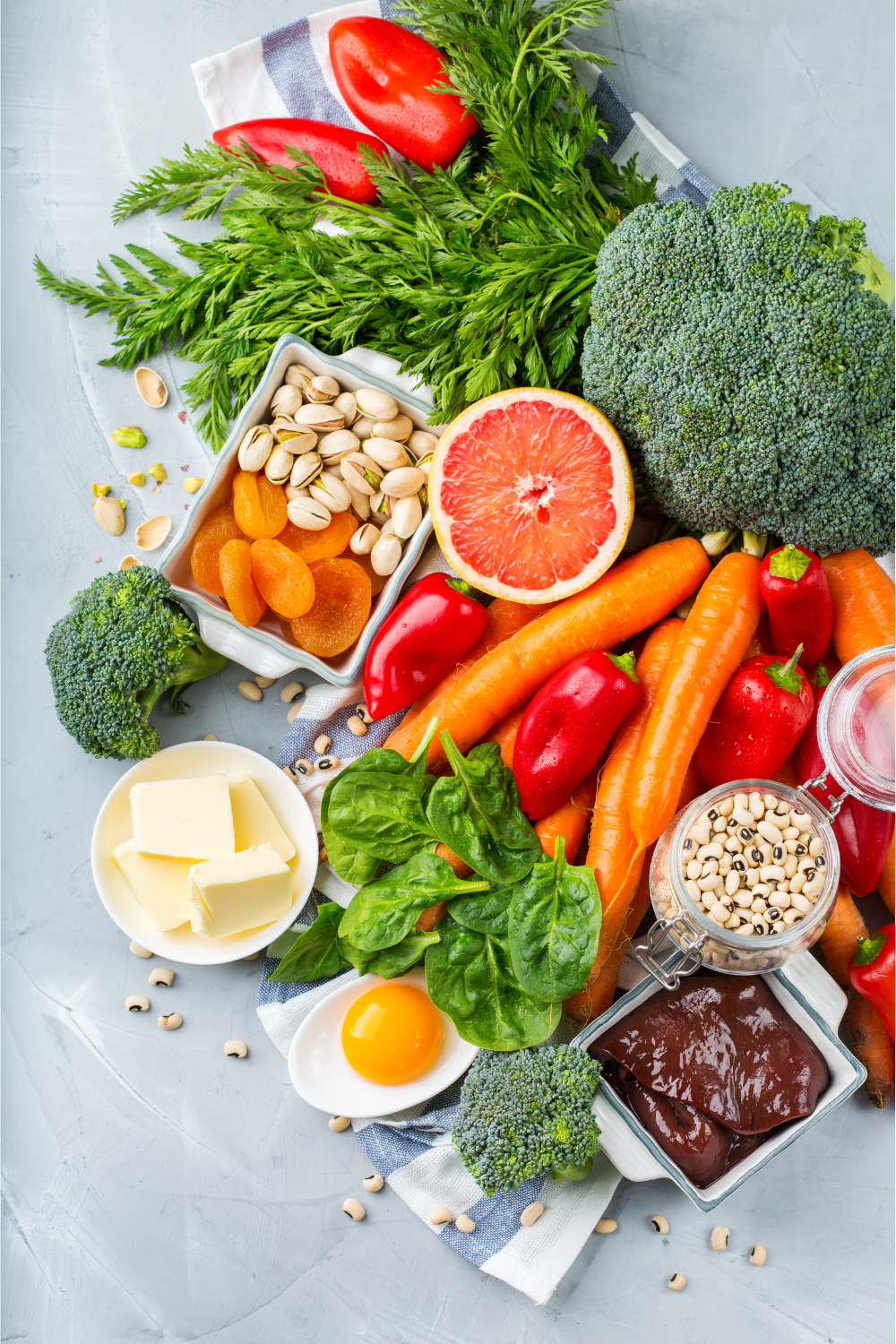
Include these foods in your thyroid-friendly diet:
- Sweet potatoes
- Carrots
- Spinach
- Kale
- Butternut squash
- Cantaloupe
- Mangoes
- Liver (beef, chicken)
Vitamin A is most effective when consumed with healthy fats, so pair these foods with olive oil, nuts, or avocado to enhance absorption.
Omega-3 Fatty Acids
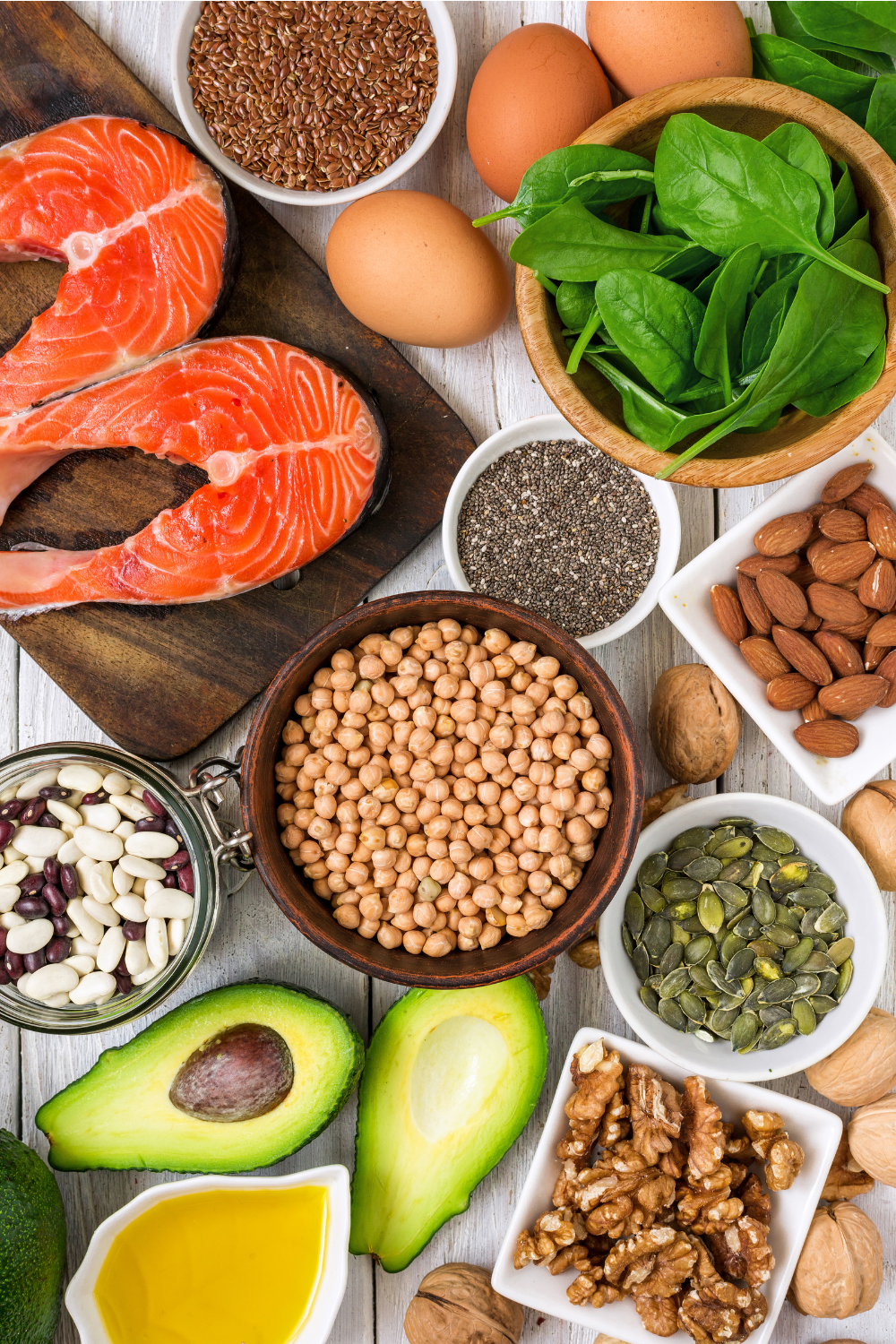
Omega-3s help reduce inflammation, which can benefit thyroid health.
- Walnuts
- Chia seeds and flaxseeds
- Fatty fish (salmon, mackerel, sardines)
Selenium is another crucial nutrient because it helps convert the inactive form of thyroid hormone (T4) into its active form (T3). Furthermore, selenium acts as an antioxidant, supporting the body’s defense against oxidative stress. Incorporating selenium-rich foods, such as Brazil nuts, can significantly benefit thyroid health.
Selenium-Rich Foods
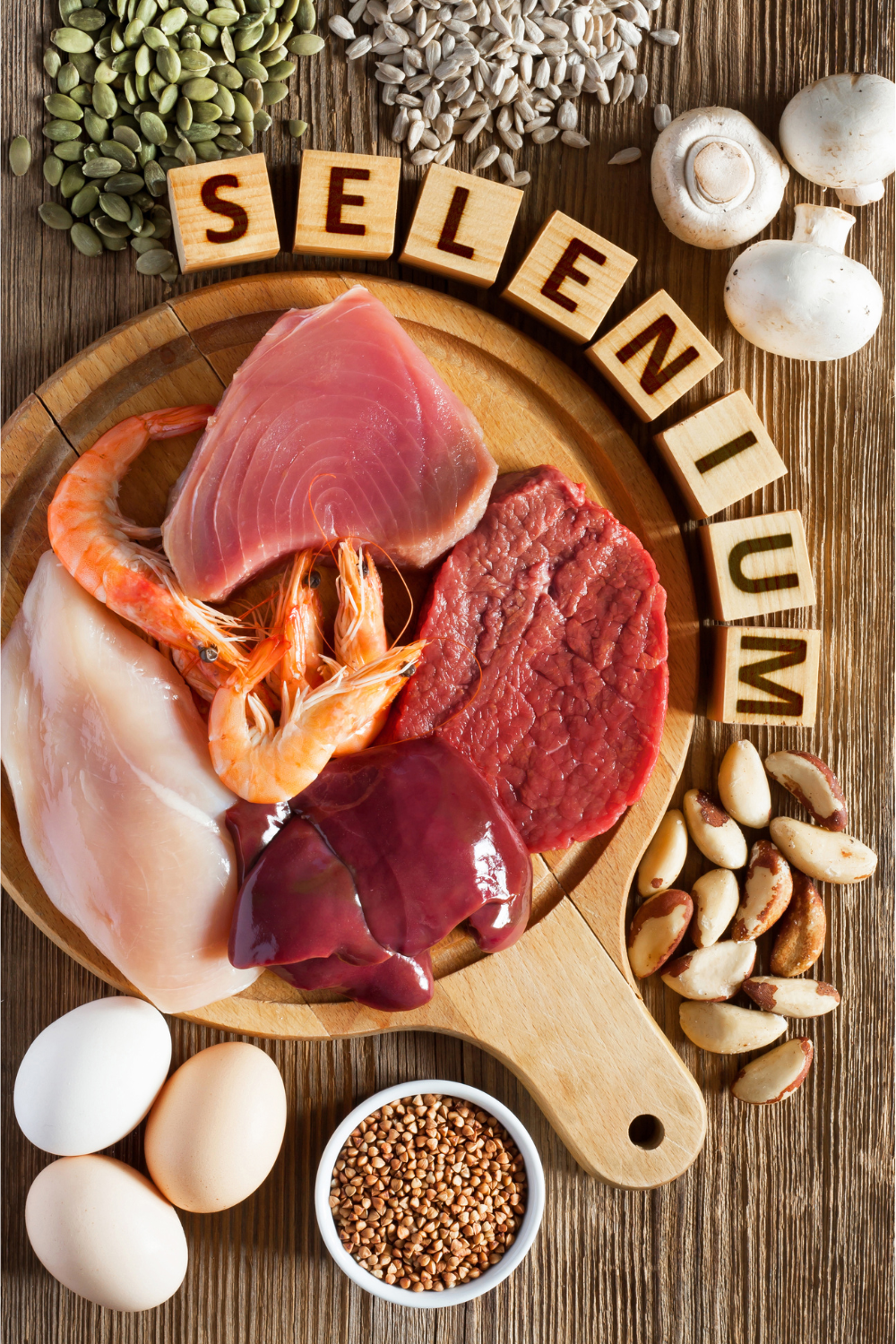
Selenium helps activate thyroid hormones and protect the thyroid from oxidative damage.
- Brazil nuts (one or two daily provides your selenium needs)
- Sunflower seeds
- Tuna, sardines, and salmon
- Turkey and chicken
- Brown rice
Antioxidant-Rich Foods
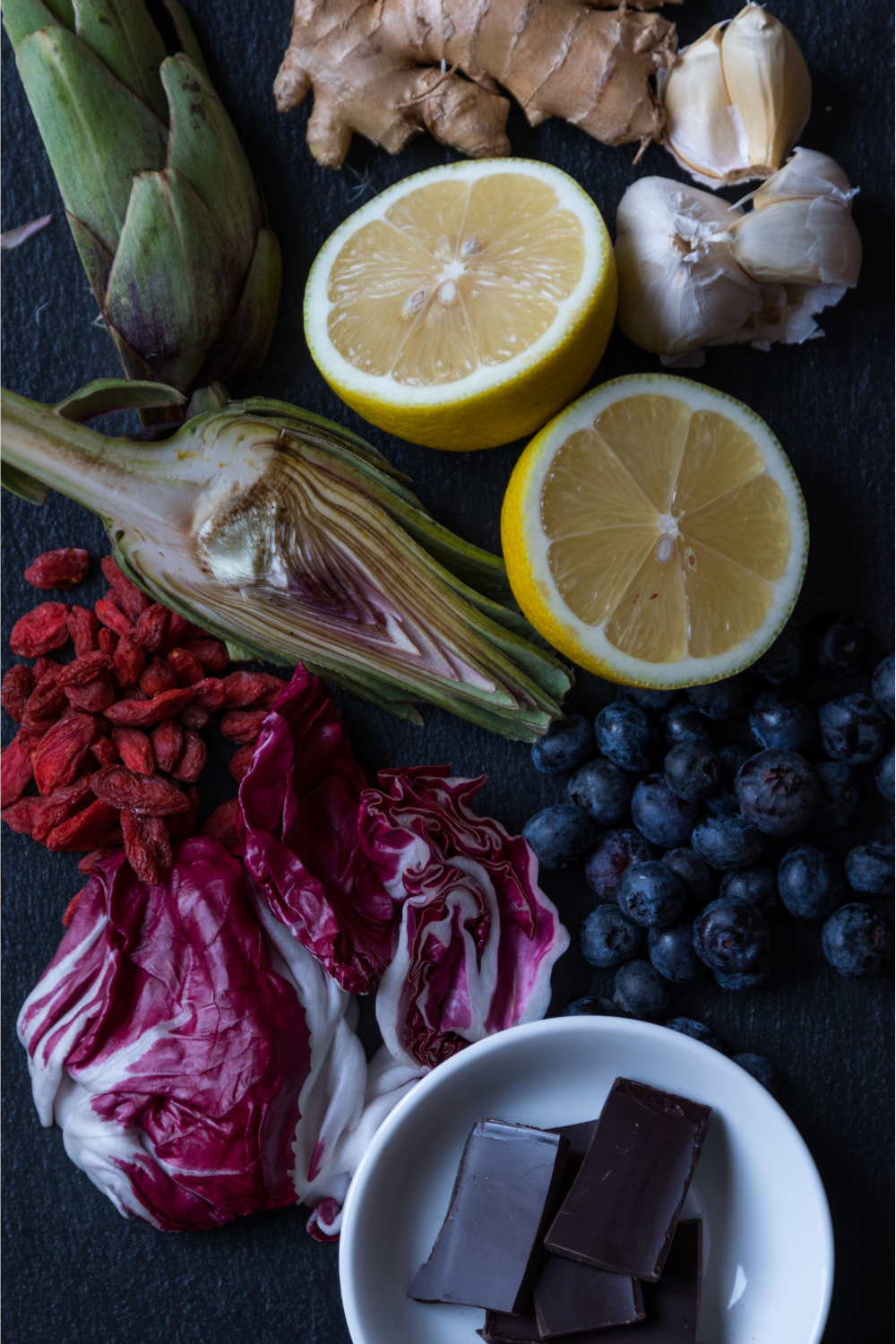
Antioxidants protect the thyroid from oxidative stress.
- Berries (blueberries, raspberries, strawberries)
- Leafy greens (spinach, kale, Swiss chard)
- Cruciferous vegetables (broccoli, Brussels sprouts, cauliflower) in moderate amounts
- Dark chocolate (70% cacao or more)
Copper is directly involved in the synthesis of thyroid hormones. Besides this vital role, copper also balances calcium levels and energizes the thyroid gland. A deficiency in copper can hinder hormone production, making it an important nutrient for those looking to support their thyroid health.
Common reasons why essential minerals may get depleted in the body:
-
Poor Diet: A diet low in nutrient-dense foods (like fruits, vegetables, whole grains, and lean proteins) can lead to mineral deficiencies. Processed foods are often low in essential minerals and lack the variety needed to maintain balanced mineral levels.
- Looking for ways to incorporate thyroid-supporting nutrients into your meals? Check out these delicious thyroid-healing recipes that are easy to prepare and packed with the essential nutrients your thyroid needs to thrive. Discover the recipes here!
-
Chronic Stress: Stress causes the body to use more minerals, especially magnesium and zinc, as part of the body’s response. Chronic stress can therefore lead to depletion of these minerals over time.
-
Medication Use: Certain medications, such as diuretics, antacids, and birth control pills, can interfere with the absorption of minerals or increase their excretion from the body.
-
High Caffeine or Alcohol Intake: Both caffeine and alcohol can act as diuretics, increasing the loss of minerals through urine. Over time, this can lead to deficiencies, especially in magnesium, potassium, and calcium.
-
Intense Physical Activity: Athletes or individuals with high levels of physical activity may lose minerals through sweat and increased metabolism. Replenishing these minerals through diet or supplements is essential to avoid depletion.
The Role of Minerals and Herbs
Minerals such as chromium, zinc, and manganese play a supporting role in thyroid health. Adequate amounts of these minerals are required to sustain thyroid function, optimize metabolism, and maintain healthy blood sugar levels. Foods rich in these minerals can be easily included in a balanced diet for comprehensive thyroid support.
Zinc-Rich Foods
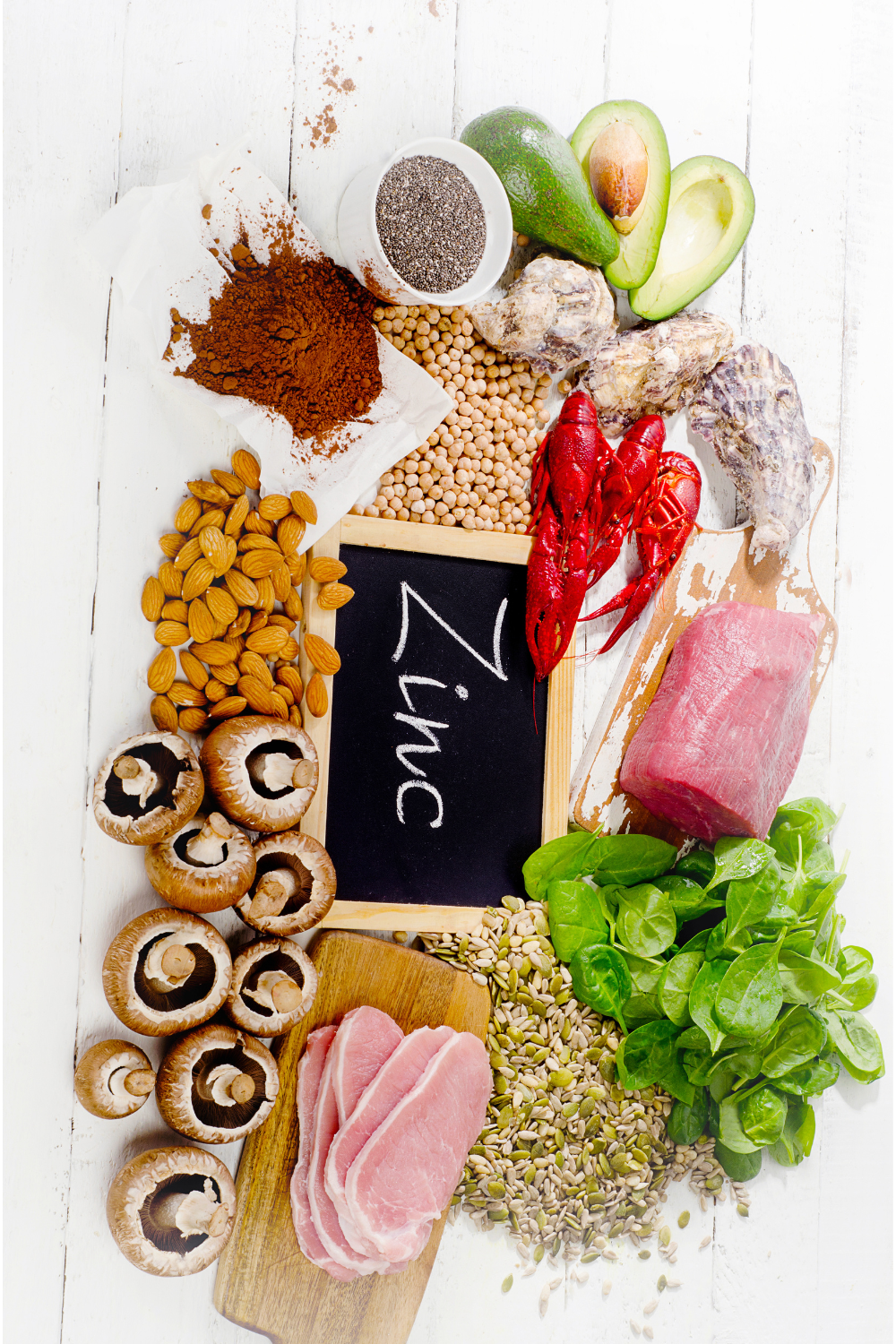
Zinc plays a role in the synthesis of thyroid hormones.
- Shellfish (oysters, crab, lobster)
- Pumpkin seeds
- Beef and lamb
- Chickpeas and lentils
- Cashews
N-acetyl-L-tyrosine and iodine are critical building blocks for thyroid hormones. Iodine is particularly important; without it, the body cannot produce an adequate amount of thyroid hormones. Foods like seaweed and iodized salt are excellent sources of iodine. The amino acid N-acetyl-L-tyrosine is necessary for synthesizing neurotransmitters, supporting both thyroid and mental health.
Tyrosine-Rich Foods
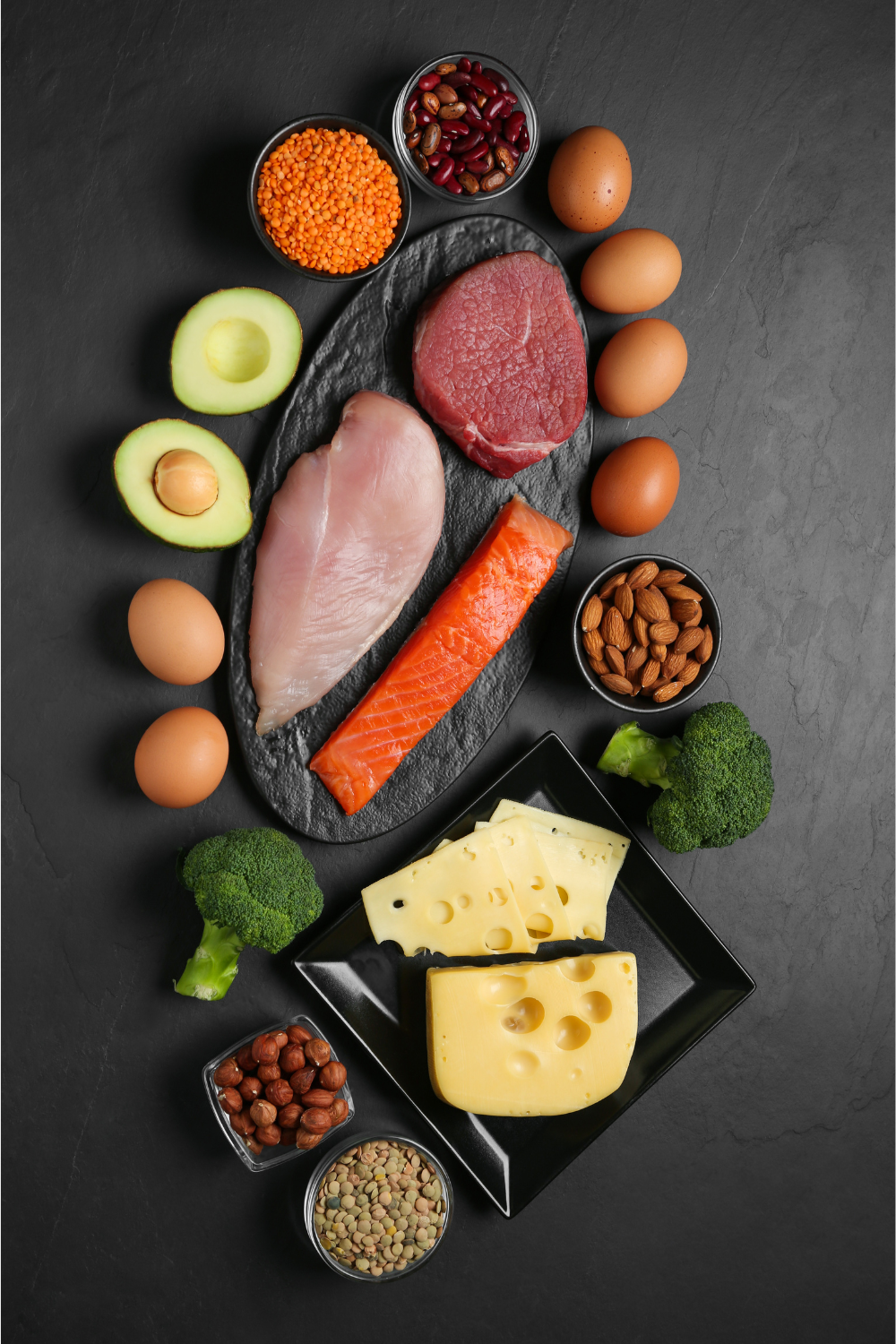
Tyrosine is an amino acid essential for the production of thyroid hormones.
- Lean poultry (chicken, turkey)
- Soy products (tofu, tempeh, soy milk)
- Dairy products
- Avocados
- Almonds
Iodine-Rich Foods
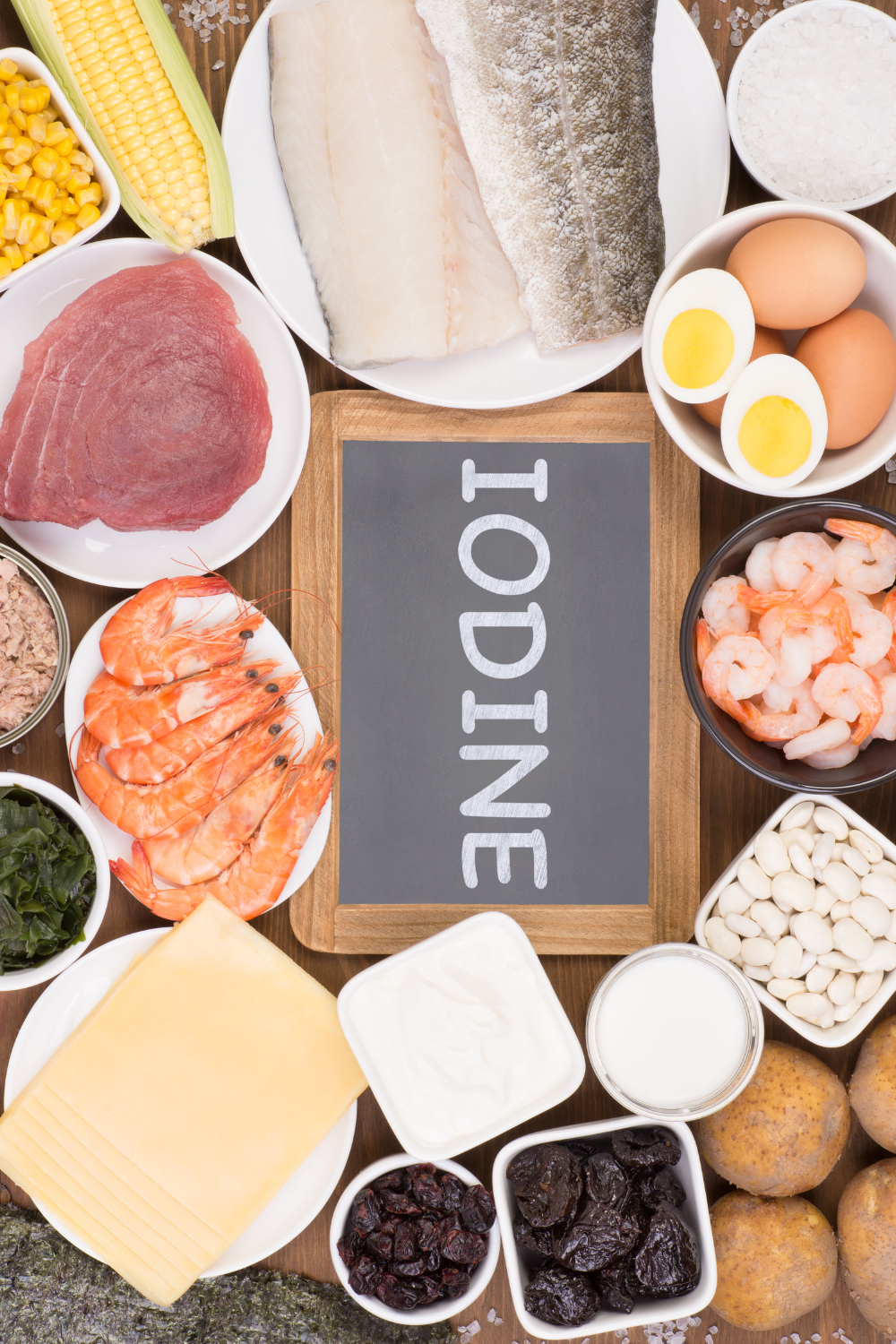
Iodine is critical for the production of thyroid hormones.
- Seaweed (kelp, nori, wakame)
- Iodized salt
- Fish (cod, haddock)
- Dairy products (milk, yogurt, cheese)
- Eggs (especially the yolk)
Lastly, the American ginseng root is recognized for its adaptogenic properties, enhancing physical and mental resilience. This herb can support the thyroid by mitigating the stress that negatively impacts its function. By incorporating these nutrients and herbs into your diet, you can foster better thyroid health.
Hydrating and Anti-Inflammatory Foods
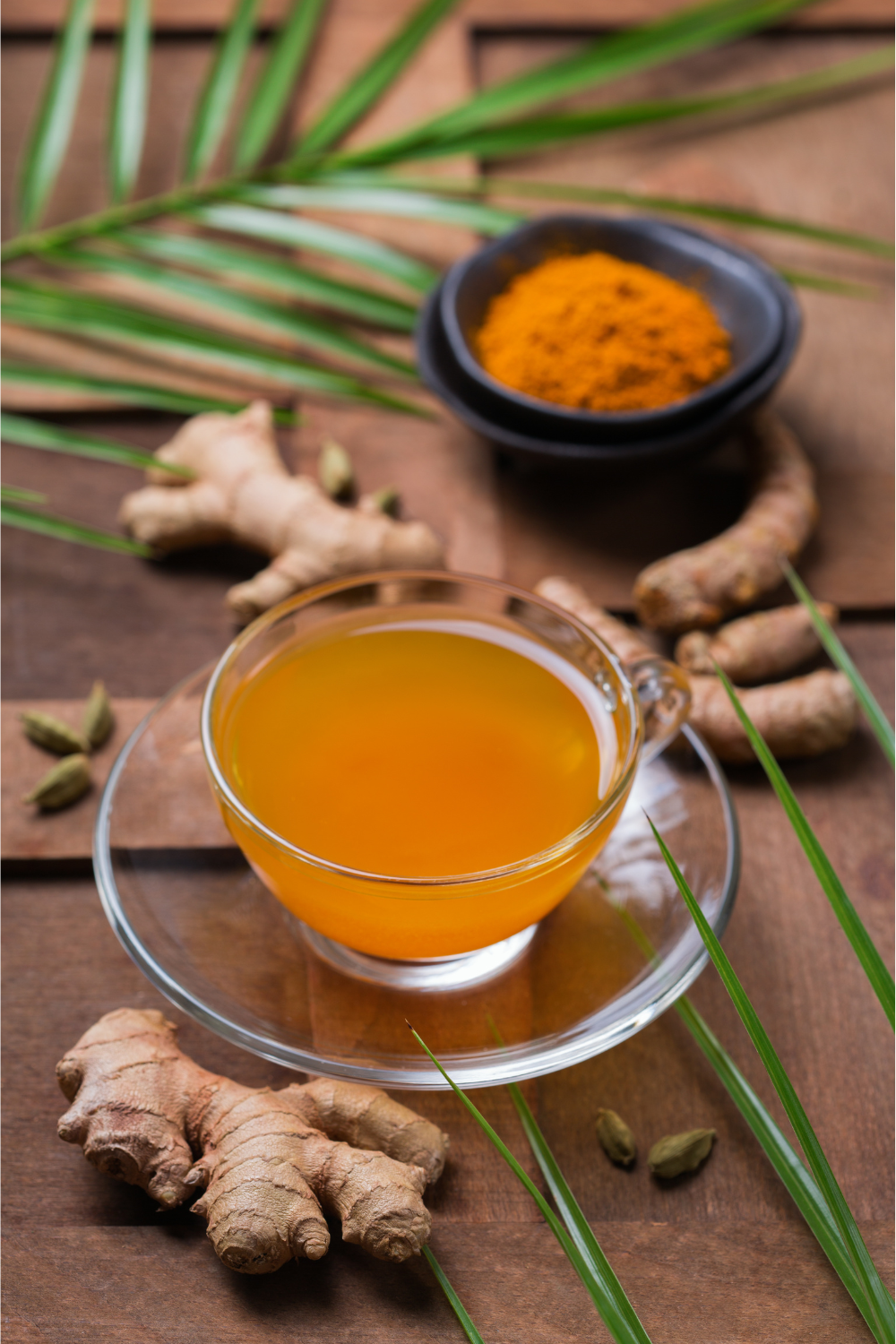
Hydration and anti-inflammatory nutrients support overall thyroid health.
- Cucumber and celery
- Green tea (rich in polyphenols)
- Turmeric (with black pepper for absorption)
- Ginger
Other important nutrients to consider:
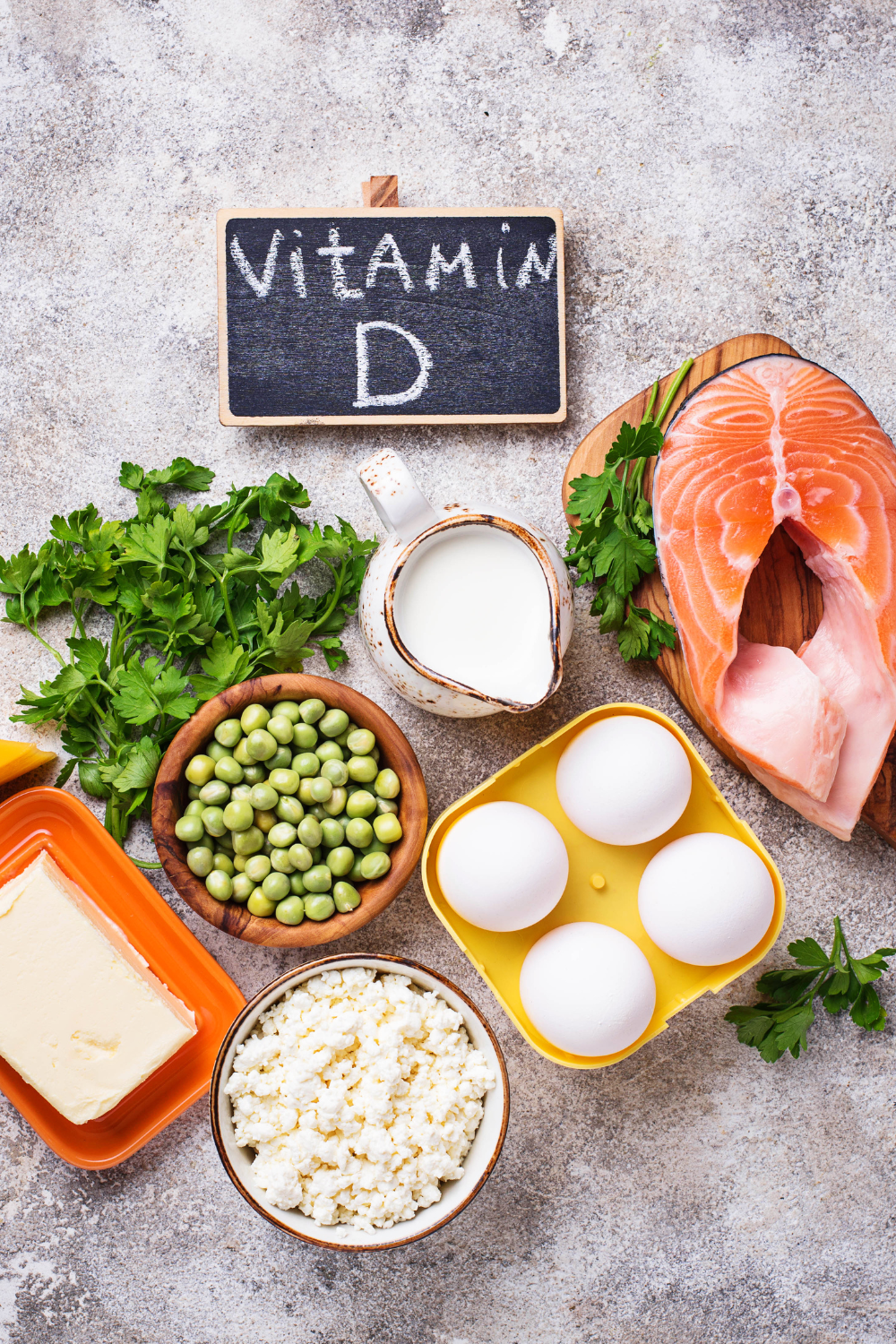
Vitamin D supports thyroid health and the immune system.
- Fatty fish (salmon, mackerel, herring)
- Egg yolks
- Fortified foods (milk, orange juice, cereals)
- Mushrooms exposed to sunlight
Whole Grains
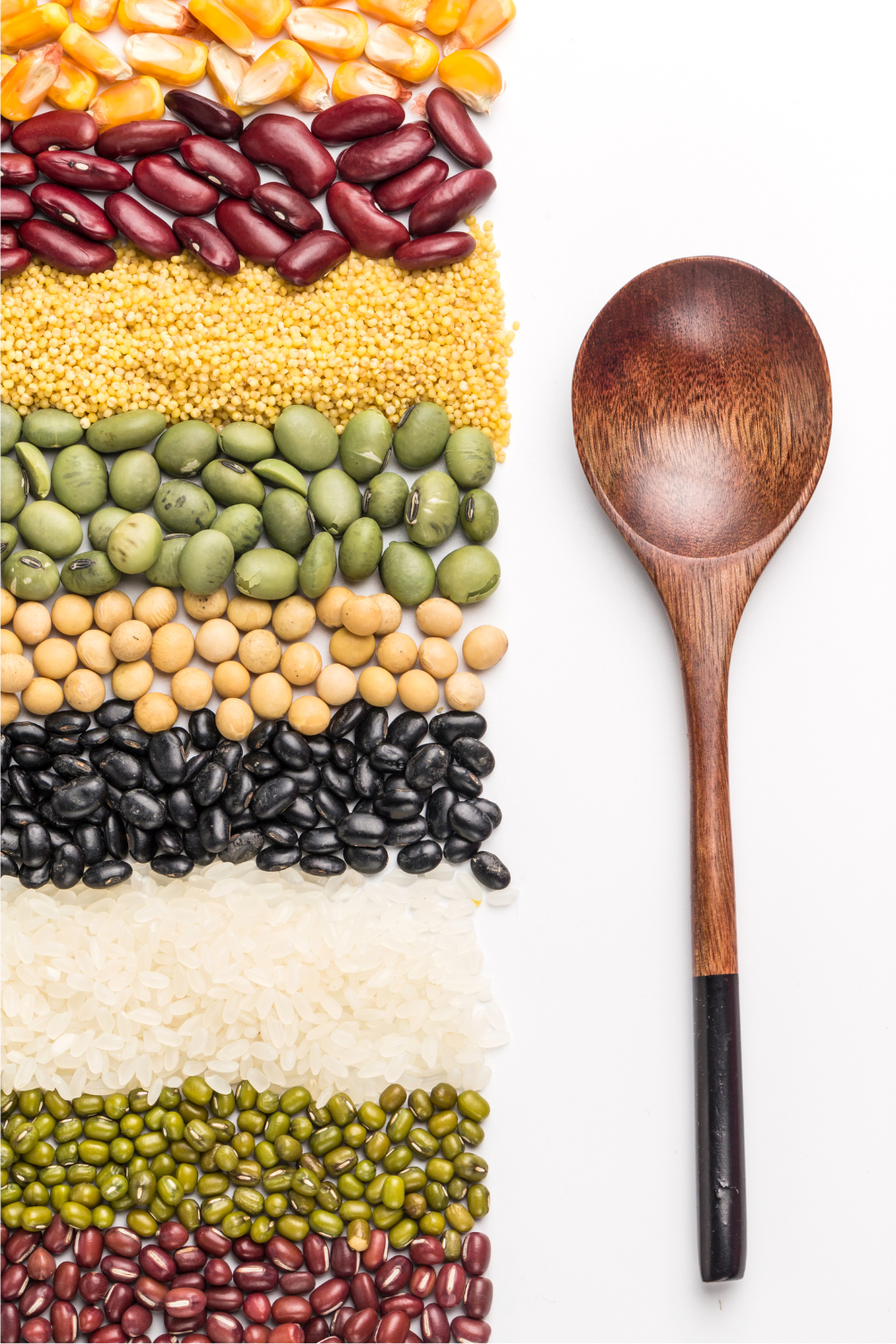
Whole grains provide fiber, which can support gut health and overall hormone balance.
- Oats
- Quinoa
- Brown rice
Gut-Friendly Foods

A healthy gut is vital for thyroid function as it impacts nutrient absorption.
- Probiotic foods (yogurt, kefir, sauerkraut, kimchi)
- Prebiotic foods (bananas, garlic, onions, asparagus)
Final Thoughts on Thyroid Health
Understanding the key nutrients that support thyroid health is essential for achieving optimal well-being. By ensuring an adequate intake of vitamin A, selenium, copper, chromium, zinc, manganese, N-acetyl-L-tyrosine, iodine, and American ginseng root, you can significantly bolster your thyroid function. Always consult a healthcare provider before making any significant changes to your diet, especially if you have underlying health conditions. A balanced approach combined with expert advice can pave the way for lasting thyroid health.
Looking for ways to incorporate thyroid-supporting nutrients into your meals? Check out these delicious thyroid-healing recipes that are easy to prepare and packed with the essential nutrients your thyroid needs to thrive. Discover the recipes here!